
Bangladesh Dengue Surge 2026: Symptoms, Warning Signs and When to Seek Urgent Care
Bangladesh has entered a dangerous phase of the 2026 outbreak
Dengue hospitalisations rose rapidly in Bangladesh during early September 2026. Health authorities reported 42,590 hospitalisations and 117 deaths by 7 September, when 1,558 admissions in a 24-hour period represented the highest daily admission figure recorded to that point. Days later, hospital admissions repeatedly exceeded 1,500 daily.
The DGHS dashboard recorded over 48,430 cumulative hospitalised cases and 139 deaths by 10 September, with subsequent updates quickly pushing the total past 50,000 cases and 149 deaths.
| Reporting snapshot | New admissions | New deaths | Epidemiological context |
|---|---|---|---|
| 6 September | 1,558 | 4 | Initial major surge threshold of 2026 |
| 8 September | 1,571 | 9 | New yearly daily high for both metrics |
| 10 September | 1,492 | 6 | Cumulative total surpassed 48,430 admissions |
| 13 September | 1,561 | 6 | Cumulative death toll reached 149 |
Why dengue is rising
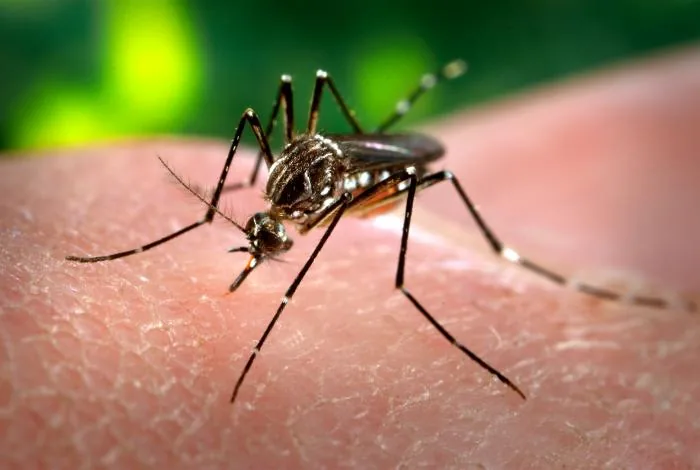
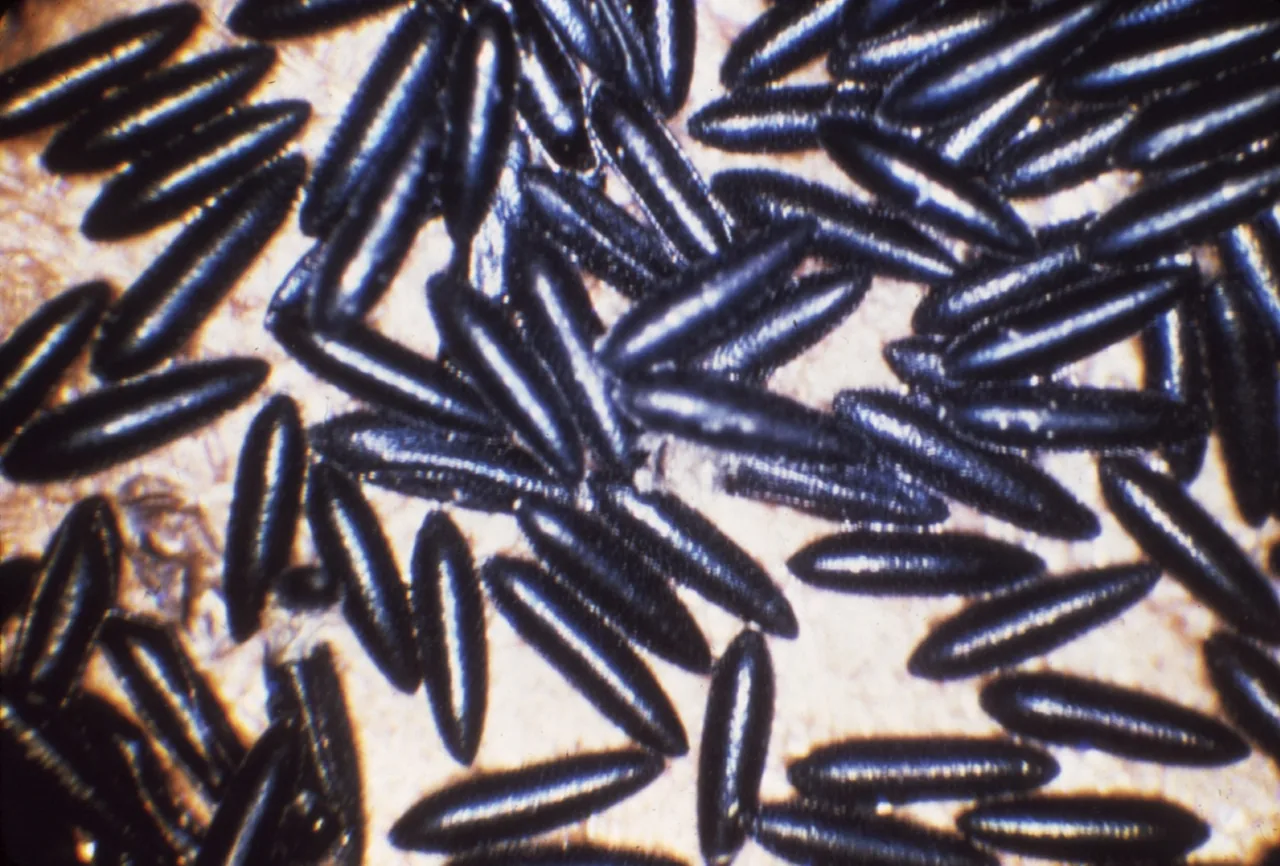
Dengue is transmitted principally by infected Aedes mosquitoes. Warm conditions, rainfall, humidity and standing water allow mosquitoes to reproduce, while dense urban settlement, waste-management problems, construction sites and water stored around homes create abundant breeding locations. Bangladesh's problem is no longer confined to central Dhaka: recent outbreaks have increasingly affected smaller cities and rural districts as well.
Epidemiological experts have repeatedly cautioned that mosquito control needs to be targeted and evidence-based rather than built primarily around visible fogging campaigns. Eliminating breeding habitats and using surveillance to identify high-density mosquito zones are critical because Aedes can reproduce in relatively small collections of water close to where people live.
The government responded by launching a three-month Nationwide Dengue Prevention and Cleanliness Campaign on 12 September, involving local government, volunteers, students and community organisations in identifying breeding sites and improving public awareness.
Symptoms are only the first part of the story
WHO describes common dengue symptoms as high fever, headache, retro-orbital pain, muscle and joint aches, nausea, vomiting, and rash. Many infections remain manageable with supportive care, but a minority develop severe disease.
The most dangerous phase frequently arrives as the fever settles rather than while it is highest. During defervescence (days 3–7), capillary permeability can increase, leading to plasma leakage and shock. This is why a person who appears to be "getting over the fever" should never be assumed to be out of danger.
When should someone seek urgent care?
Urgent medical assessment is warranted immediately if any of the following warning signs occur:
Persistent or worsening belly tenderness indicating acute plasma leakage or organ involvement.
Inability to tolerate oral fluids for more than 4–6 hours.
Bleeding from gums, nose, blood in vomit, or dark black tarry stools.
Extreme drowsiness, cold clammy extremities, fainting, or sudden confusion.
There is no routine antiviral medicine that cures dengue; management is principally supportive. CDC guidance confirms acetaminophen/paracetamol may be used under appropriate medical advice, but strictly avoid aspirin and NSAIDs such as ibuprofen because of severe hemorrhage risk.
What households can do today
Mosquito control starts close to home. Empty, scrub, cover or discard water-holding containers; check roof areas, flowerpots, buckets, tyres and construction materials; keep water storage tightly covered; use appropriate repellents and physical barriers; and remember that Aedes mosquitoes commonly bite during daylight as well as around dawn and dusk. Community action matters because eliminating water in one flat will not solve breeding in neighbouring properties or public spaces.
Bangladesh survived its deadliest recorded dengue year in 2023, when more than 321,000 cases and 1,700 deaths were recorded. The 2026 numbers had not reached that scale by mid-September, but the speed of the rise provides a clear warning: prevention, early clinical assessment and careful monitoring after fever subsides remain the most practical tools available to families.
References & Archival Documentation
- • Bangladesh Directorate General of Health Services (DGHS), Dengue Dynamic Dashboard.
- • World Health Organization (WHO), Dengue Guidelines for Diagnosis, Treatment, Prevention and Control.
- • Centers for Disease Control and Prevention (CDC), Clinical Care of Dengue, 2026 Guidance.
- • The Daily Star, DGHS hospitalisation statistics and mortality logs, September 2026.