
The AI 1980s Photo Trend Explained: Why Social Media Is Going Retro
The newest AI trend looks deliberately old
In September 2026, social feeds began filling with portraits that look as though they were recovered from a family album, an old Dhallywood publicity still or a 1980s studio session. Users upload contemporary photographs to generative-AI tools and ask for transformations involving period hairstyles, clothes, film grain, flash lighting and ageing colour palettes. The Daily Star highlighted the phenomenon in Bangladesh on 10 September under the fitting question: "How have we time-travelled to the 1980s?"
Publications across South Asia reported the same trend spreading through Instagram and TikTok, with users creating 1980s-inspired portraits from present-day selfies and experimenting with vintage fashion and analogue photographic imperfections.
What is interesting is not merely that AI can make an old-looking picture. Filters have done that for years. The difference is that modern generative-image systems can reinterpret the scene itself—changing clothing, hair, furniture, photographic lighting and background while attempting to preserve the person’s identity.
Why image models make the effect convincing
Contemporary image-generation systems support image editing rather than text-to-image generation alone. Cutting-edge image models can take an existing image and generate or edit visual content from instructions, achieving high consistency in facial structures and identity.
That makes a prompt such as "turn this portrait into a 1980s studio photograph" fundamentally different from adding a simple colour filter. The model can infer a collection of visual associations—analogue grain, diffusion, flash photography, hairstyles, period clothing, typography or interior design—and reconstruct the photograph accordingly.
The most successful posts also exploit a familiar principle of nostalgia: specificity feels authentic. "1980s" is a broad category. A prompt specifying Bangladeshi studio portraiture, a particular type of sari, warm tungsten lighting, a painted studio background and slightly faded photographic paper gives the model more visual constraints than simply requesting "retro".
Why the 1980s, rather than just "vintage"?
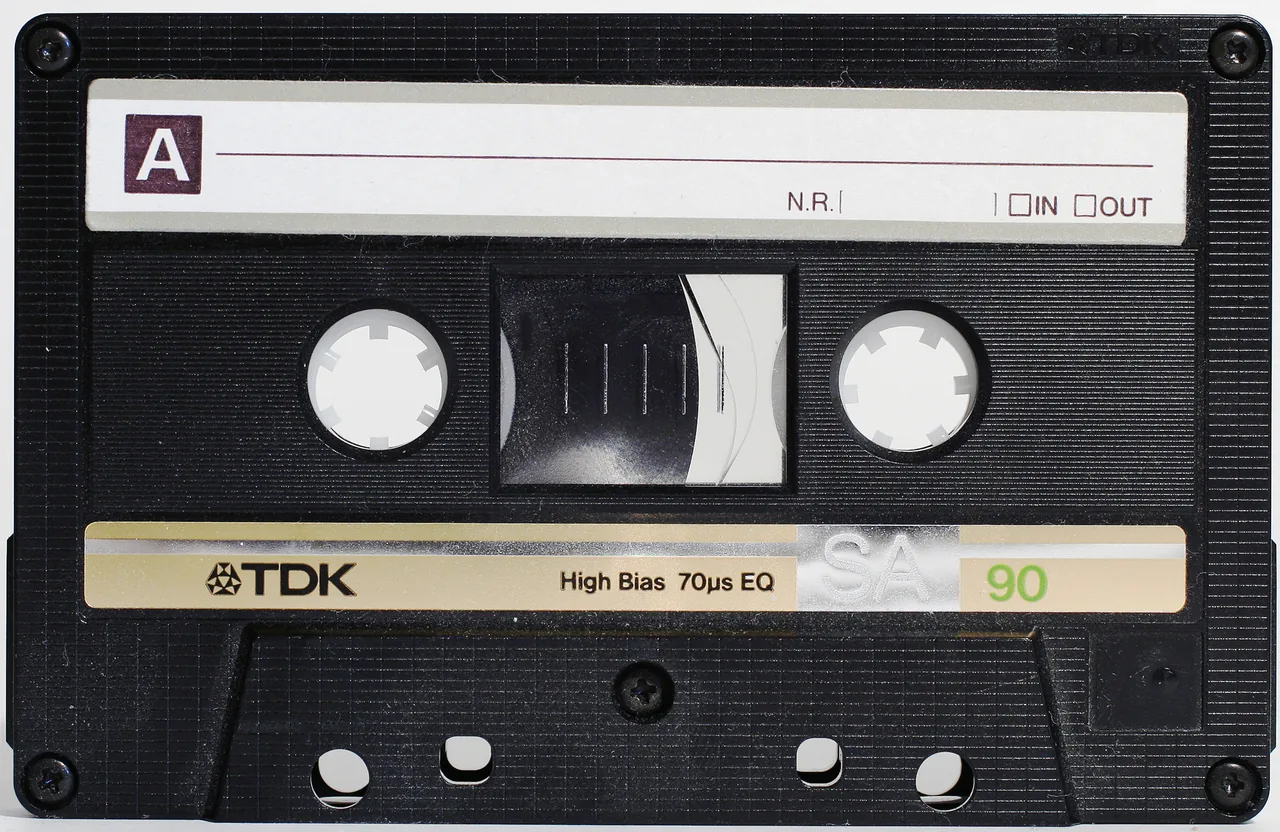
The decade offers unusually recognisable visual shorthand: cassette tapes, CRT televisions, bold studio lighting, shoulder-heavy fashion, voluminous hair, analogue-camera artefacts and distinctive colour combinations. Many current social-media users never experienced the decade as adults, making the aesthetic nostalgic without requiring literal personal memory.
For Bangladeshi users there is an additional cultural layer. The format allows people to imagine themselves inside the visual world of their parents' wedding photographs, old family albums, 1980s Bangla cinema or studio portraiture. That can make the trend feel personal rather than merely imported.
The privacy question is less nostalgic
Participating usually requires uploading a clear photograph of a face. Users should therefore check the privacy and data-use terms of whichever service they choose, especially before uploading pictures of children or other people who have not consented. A viral prompt does not remove the normal obligation to think about where biometric-looking imagery is being sent and how it may be processed.
There is also an authenticity issue. A synthetic portrait can be harmless entertainment while clearly presented as such. Problems arise when generated images are detached from context and presented as genuine historical photographs, used to depict people doing things they never did, or created from someone else's likeness without permission.
Platforms and model providers are consequently investing in provenance technology based on standards such as C2PA, which attach cryptographic metadata about an image's origin, while social platforms develop automated "AI info" labelling systems.
How to join the trend without misleading people
The simplest editorial rule is also the best: treat an AI-generated portrait as an AI-generated portrait. Label it when the context might otherwise imply that it is a genuine archival photograph. Do not upload another person’s portrait merely because you have access to it, and be especially cautious with minors.
For creators, specificity can improve results without encouraging deception. Describe the decade, photographic medium, wardrobe, composition and lighting, but avoid prompts intended to fabricate supposedly authentic news events or historical evidence.
The 1980s trend will eventually be replaced by another visual fashion. What will remain is the larger shift it demonstrates: generative AI is turning the photograph from a record of what the camera saw into a starting material for an imagined version of the past.
References & Archival Documentation
- • The Daily Star, How have we time-travelled to the 1980s?, September 10, 2026.
- • OpenAI, ChatGPT Images System Card & image generation documentation.
- • Coalition for Content Provenance and Authenticity (C2PA) Technical Specifications.
- • Meta AI Transparency and automated content labelling documentation.